


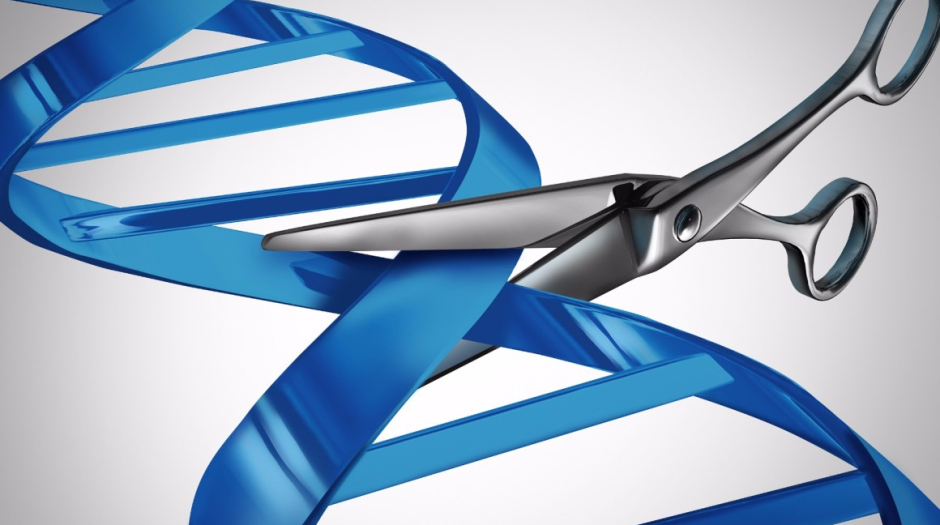
CRISPR-Cas9 technology has revolutionized genetic medicine, paving the way for precise and rapid interventions in DNA. From treating hereditary diseases to potentially addressing serious chronic conditions, CRISPR promises to radically change our relationship with the human genome.
The CRISPR Revolution: A New Era in Genetic Medicine
What is CRISPR?
CRISPR is a gene-editing technology that allows precise “cutting” and “pasting” of DNA segments within cells. This means we can correct genetic defects or introduce new traits.
Achievements and Applications
• Treatment of Hereditary Diseases: Experimental therapies for conditions like sickle cell anemia and cystic fibrosis.
• Cancer: New approaches targeting the genes of cancer cells for more precise treatment.
• Agricultural Biotechnology: Developing disease-resistant and climate-resilient crops that impact food security.
Ethical and Legal Challenges
Despite its achievements, CRISPR raises ethical concerns, such as the possibility of creating “designer babies,” requiring strict regulations and international cooperation.
Conclusion
CRISPR is one of the most promising yet controversial technologies in modern medicine. Responsible use and ongoing research will determine how this revolution shapes the future of health and society.